At Charnock Hospital, our Neurosurgery Department represents the pinnacle of specialized care. Our expert team, consisting of neurologists, neurosurgeons, critical care specialists, and nurses, collaborate seamlessly to offer comprehensive treatment for complex neurological conditions.
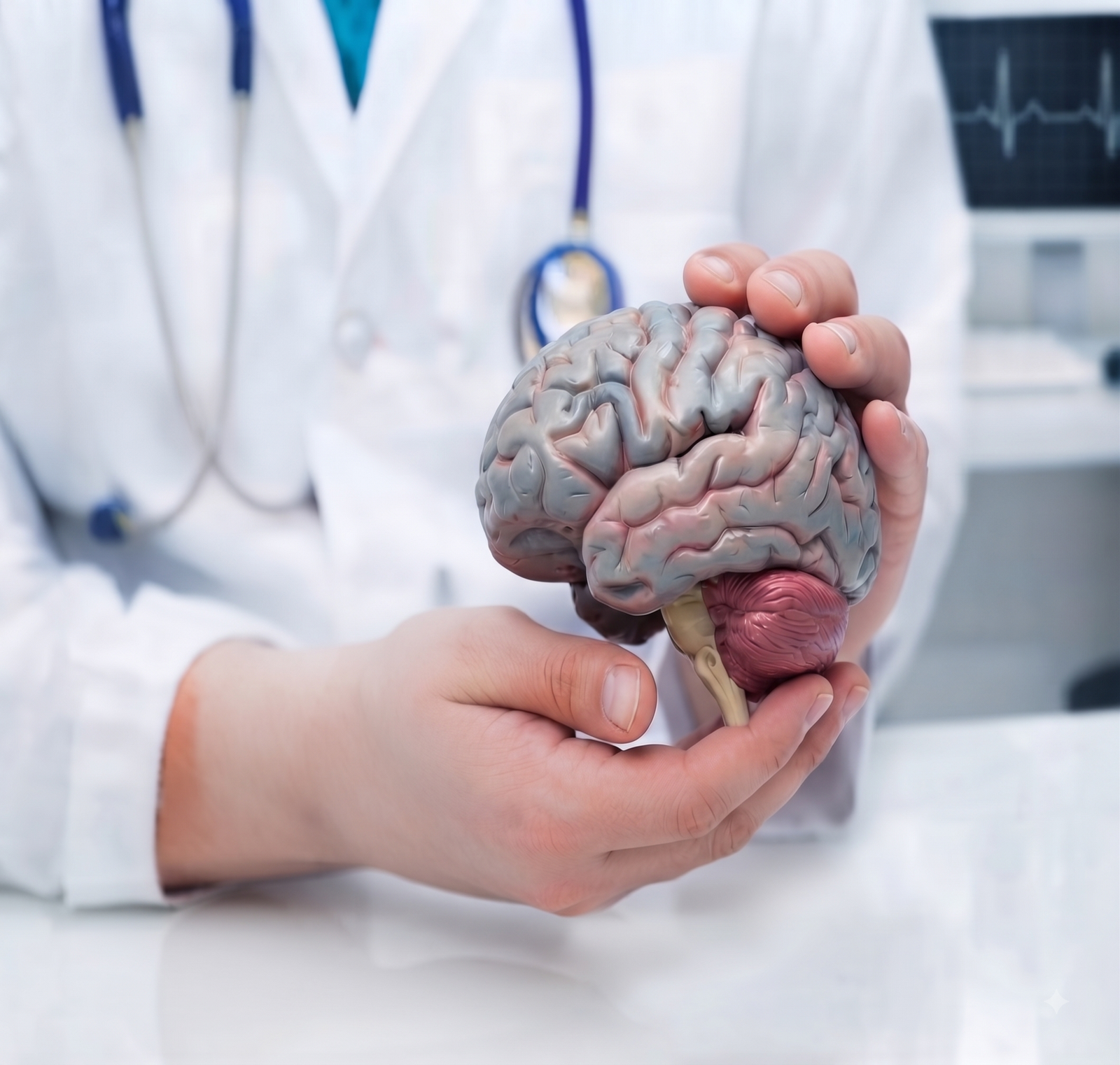
At Charnock Hospital, our Neurosurgery Department represents the pinnacle of specialized care. Our expert team, consisting of neurologists, neurosurgeons, critical care specialists, and nurses, collaborate seamlessly to offer comprehensive treatment for complex neurological conditions.
We deliver precise, cutting-edge care for brain tumors, aneurysms, AVMs, and spinal injuries, utilizing advanced techniques such as awake brain surgery, minimally invasive spine surgery, and neuroendoscopic surgery to ensure optimal outcomes for every patient.
Advanced surgical techniques for treating brain tumors, ensuring precise removal with minimal impact on healthy tissue.
Comprehensive strategies and treatments to reduce the risk of stroke, focusing on lifestyle modifications and medical interventions.
Innovative surgical approach allowing patients to be awake during brain surgery, ensuring real-time monitoring of neurological functions.
Specialized procedures to treat traumatic injuries to the head and spine, aiming to restore function and prevent complications.
Minimally invasive procedures using endoscopic techniques to diagnose and treat neurological conditions, reducing recovery times and risks.
Advanced surgical interventions for complex spinal conditions, including deformities and degenerative diseases, tailored to individual patient needs.
Charnock Hospital’s Neurosurgery Department offers patients unparalleled expertise and comprehensive care in addressing neurological needs.
We use cutting-edge procedures like awake brain surgery, minimally invasive spine surgery, and neuroendoscopic surgery for precise treatment.
We offer expert treatment for complex brain and spinal surgeries, stroke prevention, paediatric neurosurgery, and disorders.
Our dedication to innovation and excellence ensures the best possible outcomes for every patient. We combine advanced procedures with compassionate care to support your recovery journey.
DNB (NEURO SURGERY)
Get personalised care from our experienced specialists — book your appointment today.
I would like to sincerely express my appreciation and gratitude for the excellent service which I received from everyone at Charnock Hospital. It was a beautiful experience. Special thanks to Mrs Anindita Mukherjee, for taking care of my father. I’m truly grateful for her hospitality and the care received during my father’s hospital stay.
From staff to doctors, everyone is helpful and kind hearted. I sincerely thank Dr Jayanta Datta and Dr Piyali, consulting Nephrologists, who took all efforts and provided quality treatment with utmost care to my mother. Nurses, staff, till housekeeping — you all were a part of my mother’s new life. Thank you so much.
Thank you very much Charnock Hospital and Dr. Pratip Pal, consultant paediatrician, for very quick diagnosis and appropriate treatment for my daughter. Every staff was very helpful. Hope they work like this in health service.
Dr. Apratim Chatterjee is not only an excellent doctor. He is simple, superb human being, sober, approachable and friendly with a smiling face. Always amazing treatment. Special thanks to Doctor’s coordinator Mr Sohail Khan.
Common questions patients ask about Neurosurgery.
Neurosurgery is a medical specialty that focuses on diagnosing and treating conditions of the brain, spine, and nervous system through surgical interventions. A neurosurgeon is the specialist who performs these surgeries to address neurological conditions.
Neurosurgery is recommended for conditions like brain tumors, aneurysms, spinal cord compression, and severe head injuries when non-surgical treatments are ineffective. Your neurologist will determine if surgery is the best option based on your specific condition.
Yes, neurological disorders can sometimes present with psychiatric symptoms such as depression, anxiety, or mood swings. A neurologist can help determine the underlying cause and recommend appropriate treatment.
Neurosurgery can address a variety of conditions, including brain tumors, spinal cord injuries, aneurysms, epilepsy, stroke, and disorders like Parkinson’s disease.
Neuroendoscopic surgery is a minimally invasive technique where a thin, flexible endoscope is used to diagnose and treat neurological conditions within the brain and spine through small incisions.
Common symptoms include persistent headaches, dizziness, numbness, memory loss, muscle weakness, and difficulty with coordination. If you experience any of these, a neurological evaluation may be necessary.